
Both adults and children commonly experience two conditions: colds and allergies. While their symptoms may appear similar, they have distinct underlying causes and can vary in duration and type. To better distinguish between them, it is important to recognize some key differences.
During the winter season, many people experience symptoms such as a runny nose, watery eyes, and headaches, which are often attributed to the common cold. However, these symptoms can also indicate an underlying allergy. In fact, millions of Americans may mistake allergies for a cold during the winter months.
How to Differentiate Between Allergy and Cold?
It is important to understand that colds and allergies are distinct health issues, each with its own set of symptoms that require specific treatment. By recognizing these symptoms, you can more easily identify and address the underlying condition.
What are Allergies?
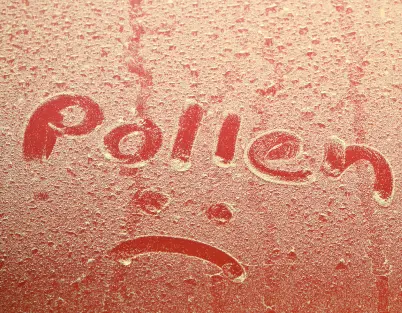
An allergy occurs when the immune system reacts excessively to certain environmental triggers, such as pollen, mold, dust mites, furry pets, and fungi. In response to these harmful substances, the body releases compounds to combat them, including a substance called histamine.
Histamine is a beneficial substance that helps the body fight off invaders. However, it can also be responsible for triggering common allergy symptoms. Essentially, our immune system produces antibodies to combat substances that are not harmful to our health.
The Asthma and Allergy Foundation of America reports that over 50 million people in the United States suffer from allergies, a higher number than any other country. Allergies can cause respiratory symptoms similar to those of a common cold, including sneezing, coughing, and a runny nose.
Primary Symptoms of Allergy
It is important to note that allergies themselves are not contagious, although their symptoms may resemble those of a common cold, such as:
- Sneezing
- Stuffed or runny nose
- Wheezing
- Postnasal drip
- Watery or itchy eyes
- Coughing
If you have a weakened immune system, these symptoms may be contagious, and it is recommended that you seek medical attention.
What is Cold?
The common cold is a viral illness that can be contagious, affecting the respiratory system. There are over 200 viruses that can cause a cold. Adults typically experience 2 to 3 colds per year, while children may face more frequent and severe cases.
The common cold can be transmitted by touching a surface or coming into contact with droplets in the air from an infected individual's coughing or sneezing. Typical symptoms of a cold include a runny nose, sneezing, and coughing, although there may be other symptoms present as well.
Primary Symptoms of Cold
The common cold can cause a range of symptoms, including:
- Runny nose
- Sore throat or laryngitis
- Body aches
- Cough
- Low-grade fever
Not everyone will experience all of these symptoms, as they can vary from person to person. However, the common cold can also lead to various complications.
Complications Caused By Normal Cold
In addition to the common symptoms, a person can develop complications from a cold virus, such as:
- Ear infections
- Sinusitis
- Inflammation of the bronchial tubes, also known as bronchitis
- Prolonged, post-infectious cough and phlegm
- Severe asthma
- Chronic obstructive pulmonary disorder (COPD)
Informative Facts About Colds and Allergies
According to Peters, allergy and cold symptoms may be similar, making it difficult to distinguish between the two. However, the key difference lies in the duration of the symptoms.
While a common cold usually disappears within a week or so, allergies can last longer. Therefore, it is crucial to identify these differences in order to receive an accurate diagnosis and proper treatment.
A common cold typically lasts for about 7-10 days, whereas allergy symptoms may persist without much improvement. Allergies usually present symptoms during specific seasons or environmental exposures. Here are some key differences to note:
- Allergies often cause watery and itchy eyes, while colds typically do not.
- A fever can be a symptom of a severe cold, especially in children, but not of an allergy.
- Body aches are common with colds, but not with allergies.
- A sore throat is common with a cold, but not always with allergies.
- Some people with allergies may develop eczema, which is not a cold symptom.
- Gradual onset of symptoms over a day or two usually indicates a cold, while sudden onset suggests an allergy to something.
- Allergy symptoms can last for a prolonged period as allergens remain in the air. If symptoms recur every year, it may indicate seasonal allergies.
It is essential to notice these differences for an accurate diagnosis and treatment.
The Closure
It's important to understand that colds and allergies are two distinct health conditions, and seeking medical attention is crucial for both. To receive the appropriate treatment, it's essential to determine which type of symptoms you are experiencing.