.webp)
High blood pressure, also known as hypertension, is one of the most common—and most dangerous—health conditions in the United States. Millions of adults have elevated blood pressurewithout knowing it. And here’s the part that surprises many people: most of the time, it doesn’t come with any noticeable symptoms.
You can feel perfectly fine and still have blood pressure that quietly increases your risk of heart disease, stroke, kidney damage, and other serious complications. That’s why regular checkups with a primary care provider are so important—even when you feel healthy.
February is American Heart Month, making it an ideal time to pause and check in on your heart health. At tru Primary & Urgent Care,we see this every day—patients who feel healthy yet discover elevated blood pressure during a routine visit. Catching it early can make all the difference.
Why High Blood Pressure Is Called the “Silent Killer”
Unlike illnesses that cause pain or obvious discomfort, hypertension often develops quietly over time. Many people don’t discover they have high blood pressure until it’s found during a routine physical exam.
Over time, uncontrolled blood pressure places extra strain on your heart and blood vessels. Left untreated, it can lead to:
- Heart attack or heart failure
- Stroke
- Kidney disease
- Vision problems
- Increased risk of cognitive declin
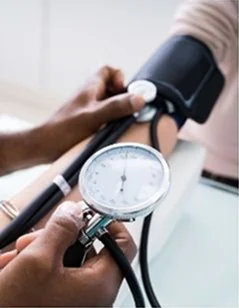
Because symptoms often don’t appear until damage has already occurred, routine blood pressure screening is the most reliable way to detectit early—especially during American Heart Month, when awareness around cardiovascularhealth is front and center.
Who Is at Risk?
High blood pressure isn’t limited to older adults.
You may be at higher risk of having high blood pressure if you:
- Have a family history of hypertension
- Experience chronic stress or poor sleep
- Eat a high-sodium or highly processed diet
- Don’t get regular physical activity
- Smoke or drink alcohol frequently
- Have conditions like diabetes or high cholesterol
Even younger, active adults who exercise regularly and feel healthy can develop hypertension, which makes annual checkups with a primary care provider especially important.
What Regular Checkups Really Do
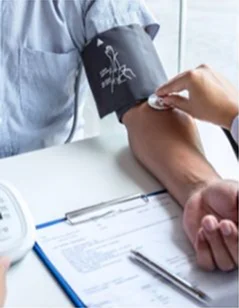
A primary care visit isn’t just about addressing symptoms. It’s about prevention. During a routine appointment, your provider not only checks your blood pressure but also looks for trends over time (one reading doesn’t tell the whole story). They’ll discuss factors that may affectyour heart health and recommend lifestyle changes tolower your risk. They can alsoprescribe medication asneeded and monitor its effectiveness.
American Heart Month is a great reminder that catching high blood pressure early often means it can be managed with small, sustainable changes—before complications arise.
Why Having a Primary Care Provider Matters
Urgent care plays an important role when you’re sick or injured, but an ongoing relationship with a primary care provider offers continuity and peace of mind. Your PCP knows your history, tracks patterns, and helps you manage your health proactively rather than reactively.
That continuity helps preventminorissues from becoming major ones.With a dedicated PCP, you benefit from:
- Continuity of care
- Personalized treatment plans
- Regular monitoring and follow-ups
- Preventive screenings that catch issues early
Take Control of Your Heart Health
High blood pressure doesn’t announce itself—but regular checkups give it nowhere to hide.
With seven convenient tru Primary &Urgent Care locations across the DMV(Maryland and Northern Virginia), staying on top of your health and establishing carewith a primary care provider has never been easier.
If it’s been a while since your last physical, now is a great time to schedule one and take a simple step to protect your heart long term.
Your heart—and your future self—will thank you.