
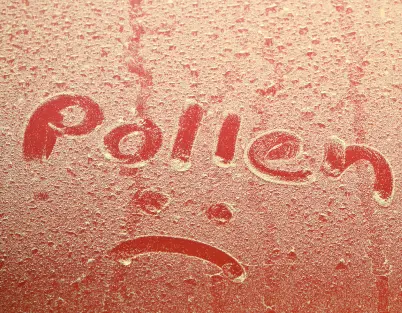
For many, spring means sneezing, itchy eyes, and constant congestion. If you start feeling miserable every time the pollen count rises, you’re not alone. Spring allergies affect millions of people each year and are one of the most common seasonal health complaints.
These allergies are usually triggered by pollen from trees, grasses, and other plants as they begin their yearly growth. While pollen helps plants reproduce, it can also cause an overreaction in the immune system for people with seasonal allergies.
The result? A set of symptoms that can make enjoying the season much more difficult than it should be.
Why Spring Allergies Happen
Often called seasonal allergic rhinitis or “hay fever," spring allergies occur when your immune system mistakes harmless pollen as a threat. When pollen enters the nose or eyes, the body releases chemicals such as histamine to protect itself.
That reaction causes symptoms like:
- Sneezing
- Runny or stuffy nose
- Itchy or watery eyes
- Scratchy throat
- Sinus pressure or headaches
- Fatigue from poor sleep
Tree pollen is usually the biggest trigger in early spring, especially from oak, maple, and birch trees. Later in the season, grass pollen often becomes the main culprit.
Is It Allergies or a Cold?
Because the symptoms can appear similar, many people wonder whether they have a cold or allergies.
One key difference is how long symptoms last. A cold typically lasts about a week and may cause fever or body aches. Allergies, however, can linger for weeks or even months and often include itchy eyes or nose, but no fever.
If your symptoms come back every spring or get worse on days with high pollen, allergies are usually to blame.
Tips to Reduce Spring Allergy Symptoms
You can’t completely avoid pollen, but a few simple habits can help reduce exposure.
Try to keep windows closed on high-pollen days, especially in the morning when pollen levels peak. Showering and changing clothes after spending time outside can also help remove pollen from your skin and clothes. Many people find relief by using over-the-counter antihistamines or nasal sprays.
When To See a Healthcare Provider
If allergy symptoms disrupt sleep, work, or daily activities, it might be time to see a healthcare provider. They can help confirm if allergies are the cause and rule out other issues like sinus infections or respiratory illnesses.
They can also create a treatment plan that might include prescription medications, allergy management strategies, or referrals for further assessment if needed.
Get Relief and Enjoy Spring Again
Spring should be a time to enjoy longer days and warmer weather - not struggle with constant sneezing and congestion. With proper care and treatment, most people can handle symptoms and breathe more easily.
If seasonal allergies are holding you back, the team at tru Primary & Urgent Care can help you find relief. With seven convenient locations across the DMV - Northern Virginia and Maryland—care is nearby when you need it.
A simple visit can help you enjoy the season again - with clearer sinuses and easier breathing.