
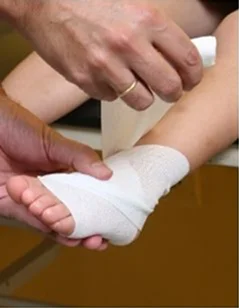
A sprained ankle occurs when a ligament is torn, resulting in pain and stiffness in the ankle. This injury typically occurs when the ankle is twisted or during a fall. While minor sprains can be treated at home, more severe cases require professional medical attention. Severe pain is indicative of torn tissue that connects and supports the ankle bones.
An ankle sprain is a common injury that can happen to anyone, although it's more common among athletes who engage in challenging sports activities. Anti-inflammatory medication is often used to treat the pain and swelling associated with a sprained ankle. Typically, it takes time for the swelling and pain to develop, and they can persist for up to 48 hours.
Also Read: Tips for Minimizing Hair Loss After Weight-loss Surgery
Types of Sprained Ankle
Ankle sprains can be classified into three categories, namely mild, moderate, and severe.
- A mild ankle sprain is characterized by a slight stretch of the ankle ligament and a small tear, resulting in minimal pain.
- If you experience pain while walking despite the ankle ligament not being completely torn, you may have a moderate ankle sprain..
- A severe ankle sprain occurs when the ankle ligament is completely torn, resulting in significant swelling.
Causes of Sprained Ankle
Ankle sprains usually happen when the ankle twists or rolls unexpectedly. During physical activity, if the ankle moves inward, it can cause a tear in the ligament due to the sudden change in position.
Ankle sprains can be caused by various factors, including participating in sports, walking on uneven surfaces, or wearing uncomfortable footwear.
Symptoms of Sprained Ankle
Here are some signs of an ankle sprain:
- Feeling pain after falling, which may increase after a few hours.
- Swelling and bruising around the ankle after the ligament is torn.
- Difficulty walking or moving the affected ankle.
- Joint instability may also occur.
Children may experience different symptoms when they sprain their ankles. Although ankle sprains are less common in children, growth plates can cause them. Bones in children are weaker than their ligaments, which can lead to fractures. Here are some symptoms to look out for:
- Young children may exhibit changes in mood or behavior as they may not be able to express their feelings.
- Swelling and warmth may be visible around the affected joint.
- Children may experience pain in the ankle.
- You may notice changes in the way the child is walking.
- Infants may cry constantly.
The symptoms of an ankle sprain in children are similar to those of a broken ankle, so it is important to seek immediate medical attention from a doctor or healthcare provider.
Also Read: How to Treat Influenza (Flu) | Home Remedies, Stopping the Spread, When to See a Doctor
Treatment For Sprained Ankle
Mild and less painful ankle sprains can often be treated at home. However, if the injury is severe, it is recommended to see a doctor. Keeping the ankle still can help prevent further tearing of the ligaments and alleviate pain. Additionally, this can aid in controlling swelling and reducing discomfort.
Engaging in gentle exercises and ankle stretching can aid in the recovery of a sprained ankle injury.
IMild pain caused by a sprained ankle can be treated at home using various remedies. These include resting as much as possible, applying ice every 20 minutes, and using compression and elevation to reduce pain. Complex exercises should be avoided, and a bandage can be used to reduce swelling while resting or sleeping. Anti-inflammatory drugs can also be consumed to manage pain, and crutches may be utilized to alleviate discomfort.
If a severe ankle sprain occurs, home remedies may not be effective, and medical attention should be sought. Doctors may recommend wearing boots to keep the ankle stable and prevent further injury.
In addition, doctors may suggest physical therapy to aid in the healing of the ligaments. A physiotherapist typically administers this therapy. After the swelling has subsided, doctors may also recommend some home exercises.
In certain cases, surgery may also be required as part of the treatment. Surgery is not typically necessary for a sprained ankle, as it often heals on its own. However, if more than one ligament is torn, surgery may be necessary.
When to See a Doctor?
Minor ankle sprains can often heal on their own, but seeking medical attention can aid in quicker recovery and diagnosis of the injury. It can be difficult to determine if the ankle is sprained or if there is a bone fracture, as the symptoms can be similar. However, a doctor can diagnose the injury quickly and recommend appropriate medications for faster healing.
It is important to seek medical attention for a sprained ankle in certain situations. You should consider seeing a doctor if you experience the following:
- Intense and unbearable pain
- Inability to move the ankle or walk after 2 or 3 days
- Pain that persists even after a week
- Bleeding skin and home remedies are not working
- Children with a sprained ankle should see a doctor immediately.
Also Read: Hacking Your Health: How The Right Food Cracks The Code To Your Body’s Happiness
Conclusion
Ankle sprain is a common minor injury that happens when your ligaments tear due to a fall or ankle twist. Although it affects people of all ages, athletes are more prone to it. The pain of a sprained ankle is similar to that of a broken ankle. While most cases can be treated at home, it's essential to consult a doctor if the pain is severe.