
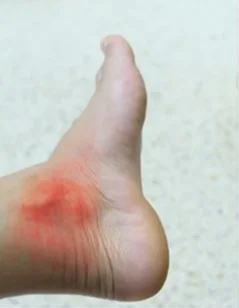
Gout is a complex and excruciating type of arthritis. Sadly, a lot of individuals are unaware of its symptoms, which can lead to a failure in identifying its attributes. However, it is imperative to identify the signs of this severe ailment in order to receive prompt and appropriate treatment. The affected person may experience sudden swelling, tenderness, pain, and redness in various joints of the body, with the most common location being the toe.
Moreover, a gout attack can occur, causing intense pain in the toe even during sleep. Fortunately, there are treatments available for gout, and with proper medication and slight alterations in lifestyle and diet, it can be eradicated. Nevertheless, the precise cause of gout and how it affects individuals is not fully comprehended, as its symptoms may appear and disappear. Nonetheless, certain risk factors and causes can lead to the development of gout
Causes
Gout can occur due to an excessive accumulation of uric acid in the bloodstream. In other words, uric acid tends to accumulate in various joints of the body, leading to a severe and inflammatory response. It is crucial to manage uric acid levels in the blood to reduce the likelihood of a gout attack.
When the body breaks down the Purine substances, uric acid is produced. Furthermore, our body can get Purines from various foods, such as:
- Organ meats
- Sardines
- Mussels
- Tuna
- Red meat
- Scallops
- Anchovies
- Trout
Even small amounts of purines can be found in various beverages such as beer and soft drinks with high sugar content. Due to the widespread consumption of these beverages, these substances can enter the body naturally, even without one's knowledge. Hence, it is essential to be mindful of the food and beverages that are consumed to avoid triggering gout attacks.
Uric acid levels in the body can also increase with age. As individuals age, their livers and kidneys tend to become less efficient, leading to the accumulation of uric acid. However, it is important to note that many people experience their first gout attack between the ages of 30 and 50, regardless of age-related changes in the body. Proper management of lifestyle and diet is essential for individuals in this age range to minimize the risk of a gout attack.
Gout Risk Factors
Gout is a medical condition that has several risk factors, the most significant being high levels of uric acid. Apart from that, people who have already dealt with chronic diseases are more likely to develop gout. Some of these chronic diseases are:
- High blood pressure
- Kidney disease
- Alcoholism
- High consumption of fructose
By being aware of these risk factors, individuals can take necessary precautions and make appropriate lifestyle changes to reduce their chances of developing gout.
Gout can be caused by various risk factors, including genetics, weight, diet, and trauma or surgery. Here are some details about these risk factors:
- Genetics
If you are dealing with gout despite having none of the aforementioned problems, it may be because of genetics. It is possible that other family members also have this issue.
- Weight
Uncontrolled weight is a significant risk factor for developing gout. Proper exercise and yoga can help control weight, reducing the risk of gout.
- Diet
A healthy diet is crucial for preventing the accumulation of uric acid in the body. Consumption of greens and adequate water intake can help prevent gout. Meat consumption is known to cause the production of uric acid, which increases the risk of gout.
- Trauma or surgery
If you have had surgery recently, it may increase your risk of developing gout. Additionally, individuals who have suffered trauma may not be able to care for themselves and may not receive proper nutrition, increasing their risk of gout.
By being aware of these risk factors and taking appropriate measures, individuals can significantly reduce their chances of developing gout.
Treatment of Gout
When a person is diagnosed with gout, their doctor will provide them with appropriate treatment suggestions and medications. Here are some common drugs that are usually recommended to control gout symptoms:
- Colchicine: This medication can help alleviate pain, and patients may experience relief within 24 hours of taking it.
- NSAIDs: Non-steroidal anti-inflammatory drugs (NSAIDs) can reduce swelling in the affected area, especially in the toe. This medicine is also recommended for patients with stomach pain and kidney disease.
It is essential to note that these drugs are prescribed by a specialist and should be taken only as directed. By following the doctor's advice and taking medication appropriately, patients can experience significant relief from gout symptoms.
How Can You Prevent Gout?
To reduce the risk of gout, individuals should focus on transforming their unhealthy lifestyle into a healthy one. Here are some healthy habits that should be adopted in daily routines:
- Hydrate: Drinking plenty of water helps remove harmful particles from the lungs and kidneys, allowing them to function correctly.
- Exercise: Regular exercise is crucial for maintaining healthy body weight and preventing the accumulation of uric acid, which can lead to gout. It is essential to exercise daily and stay healthy.
- Diet Control: Avoiding seafood and meat can help reduce the risk of developing gout. Additionally, alcohol consumption should be limited, as it is one of the most significant contributors to uric acid buildup in the body, which can affect the joints.
By adopting these habits in their daily routine, individuals can significantly reduce their risk of developing gout and lead a healthy lifestyle.