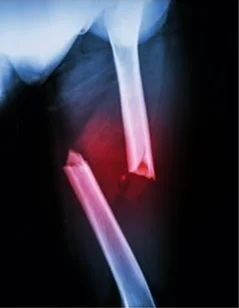
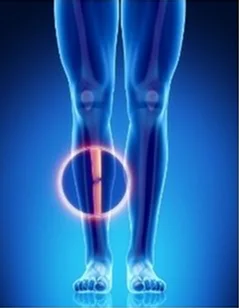
Fractures or broken bones can be a significant injury that can occur due to falls while playing sports, accidents, or violent traumas. While not typically life-threatening, they can cause severe pain. Prompt and specialized medical care is crucial to effectively treat these injuries, regardless of their severity.
Although bone fractures and injuries are not fatal, seeking immediate medical attention is crucial for faster recovery and pain relief. To determine whether medical attention is necessary, it's essential to recognize the symptoms.
Major Symptoms of a Broken Bone
Broken bones can cause intense pain, but it's not always the first symptom. Numbness in the affected area is a common initial symptom, which is why it's essential to recognize other signs of a broken bone. Here are some symptoms you should know:
- Intense Pain: The injured area will experience extremely intense pain that will worsen over time, making it difficult to move the affected area.
- Numbness: The injured person may experience numbness in the affected area, which can make them believe there is no significant injury.
- Bluish Color: The skin around the affected area may turn bluish, and there may be swelling and injured deformity.
- Bone Protrusion: In some cases, bones can stick out of the affected area, tearing the skin and flesh.
- Bleeding: Bleeding can be a significant symptom of bone breakage, particularly in accidents, as broken bones can tear the tissues and muscles around the affected area.
If any of these symptoms are visible on an injured person's body, immediate first aid care must be provided, and the person must be rushed to the hospital. Prompt medical attention is crucial to treat broken bones effectively and prevent further damage. Don't wait to seek treatment - recognizing and responding to these symptoms promptly can aid in faster recovery and healing.
First Aid Care
If you encounter someone with symptoms of a broken bone, there are a few things you can do to help. First aid medical care can be provided without a medical professional present, and following these simple steps can be beneficial for the injured person:
- Stop the Bleeding - The first step is to stop the bleeding in the affected area. Elevate the affected area and apply pressure with a sterile bandage or clean cloth if one is available.
- Immobilize the Injured Area - After bleeding has been controlled, immobilize the injured area to help the injured person relax and reduce pain. If the injury is in a critical area such as the neck or back, help the injured person stay still.
- Apply Cold Compress - Using an ice pack or bag full of ice cubes, apply a cold compress to the affected area for at least 10 minutes.
- Treat for Shock - Help the injured person rest in a comfortable position, cover with a blanket, and provide warmth to reduce shock.
- Seek Professional Help - While first aid can provide temporary relief, it's essential to seek professional medical help for bone injuries. Call 911 or emergency services to take the injured person to the hospital immediately.
Bone injuries are considered severe, and even if they are not life-threatening, the injured person should receive prompt medical attention. If the injured person experiences difficulty breathing, provide immediate help by performing CPR and take them to the hospital as soon as possible.