
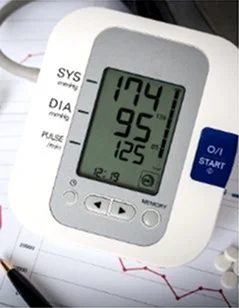
Experiencing pain is a warning sign that something is wrong with the body. It is an involuntary response from the nervous system, alerting the brain to take action and prevent further harm. Pain can present itself as a tingle, sting, prick, ache, or burn.
Pain can be localized to a single area or felt all over the body. It can be a temporary, one-time occurrence or a chronic issue. Both chronic and acute pain can impact blood pressure. To understand the connection between high blood pressure and pain, read on carefully.
How Chronic is Pain Increasing the Blood Pressure?
Chronic pain can lead to elevated blood pressure. Hypertension is associated with decreased sensitivity to pain. The nervous system activates the baroreceptor reflex when pain is detected. This important mechanism controls blood pressure by constricting blood flow, resulting in increased blood pressure until the pain subsides.
Many people experience acute pain that comes on suddenly and can be caused by disease, inflammation, or injury. This type of pain has an inverse relationship with pain sensitivity and resting blood pressure, which should return to normal levels quickly. If you're experiencing chronic pain, it's recommended to seek assistance from a professional doctor for prompt help.
The Link Between Chronic Pain & High Blood Pressure
Acute pain that persists can develop into chronic pain, which can be harmful to one's health. The duration of chronic pain can vary and can last for years, months, or weeks, depending on the condition. Chronic pain can be caused by an infection, sprain, or ongoing medical issue, as well as by a lack of body damage or previous injury.
When overall pain is really chronic, then the nervous system is always working very hard so they can try to fix it. Sometimes, the nervous system also loses its potential to supervise blood pressure properly. This is why blood pressure is incorporated with most chronic pain. Therefore, it would be better to get the right treatment for the chronic pain that will solve your problem more easily.
Symptoms of Chronic Pain & High Blood Pressure
The following symptoms may occur with chronic pain and high blood pressure:
- Severe headache
- Neck pain
- Dizziness
- Vision issues
- Confusion and fatigue
- Difficulty breathing
- Irregular heartbeat
- Blood in urine
- Pounding sensations in the ears, chest, or neck.
If you are experiencing these symptoms, it is recommended to seek a genuine treatment to resolve the problem effectively.
What are the Factors That are Linked With Raising the Blood Pressure?
There are various factors that can trigger an increase in blood pressure. Some of these include:
- Age: The risk of hypertension increases with age, so maintaining a healthy diet and improving one's quality of life is important.
- Family history: High blood pressure is more likely to occur if it runs in the family.
- Other diseases: Heart disease, uncontrolled diabetes, kidney problems, and other autoimmune conditions can lead to high blood pressure. Seeking appropriate treatment can help prevent this.
- Clogged arteries: Damaged blood vessels can change their structure and increase blood pressure, so a healthy diet and treatment are important.
- Diet: A diet high in sugar and sodium can lead to high blood pressure, so making changes to one's diet can improve one's quality of life.
- Lifestyle choices: Smoking, lack of physical activity, moderate alcohol consumption, and insufficient sleep can all contribute to high blood pressure.
Taking steps to address these factors can help prevent high blood pressure-related issues.
Pain is a response from the involuntary nervous system, designed to protect the body from harm. As such, pain has a direct correlation with blood pressure.


.webp)