High blood pressure or hypertension is a serious condition that can lead to potentially fatal health issues if left unmanaged. Making lifestyle changes and taking medications as prescribed by your doctor are effective ways to control high blood pressure. Let's explore in more detail the key remedies that will help you stabilize your blood pressure.
Understanding Blood Pressure Readings
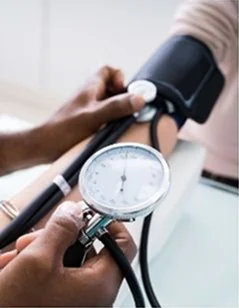
Your blood pressure reading consists of two numbers - the systolic pressure or top number indicates the pressure on your arteries when the heart contracts and pumps blood. The diastolic pressure or bottom number represents the pressure in between heartbeats when the heart relaxes and refills with blood.
Ideal blood pressure is less than 120/80 mmHg. Readings between 120/80 and 129/89 mmHg signify elevated blood pressure. Any reading of 130/90 mmHg or higher is considered hypertension. The higher your blood pressure, the greater your health risks become.
Also Read: When to Go to the ER for High Blood Pressure?
Lifestyle Modifications to Lower High Blood Pressure
Making healthy changes to your daily habits can go a long way in reducing elevated blood pressure without requiring medication:
- Maintain a Healthy Weight – Excess body weight puts extra strain on the heart, increasing your blood pressure. Losing even 5-10% of your weight can lower BP if you are overweight.
- Exercise Regularly – Getting 150 minutes per week of moderate activity like brisk walking, swimming or cycling keeps your heart in good shape and lowers blood pressure.
- Follow the DASH Diet – Eating a diet low in saturated fat, salt and added sugars but high in potassium, magnesium, calcium and protein has been proven to reduce blood pressure.
- Limit Alcohol Intake – Drinking more than moderate levels of alcohol can contribute to high BP. Restrict your alcohol consumption to 1 drink per day for women and 2 drinks per day for men.
- Quit Smoking – The toxins in cigarette smoke damage blood vessel walls and constrict blood vessels, directly raising blood pressure. Quitting is vital.
- Manage Stress – Chronic stress stimulates the release of hormones like cortisol and adrenaline that narrow blood vessels and spike BP. Practice relaxation techniques.
- Check BP at Home – Monitoring your blood pressure twice daily at home helps you track the effects of lifestyle measures on your BP readings.
- Get Adequate Sleep – Lack of sleep reduces nitric oxide production in the body that helps blood vessels relax, leading to high BP. Aim for 7-8 hours of sleep per night.
When lifestyle changes alone don't lower your BP sufficiently, medication prescribed by your physician becomes essential.
Also Read: The Link Between High Blood Pressure and Pain
Medications for Treating Hypertension
If healthy lifestyle modifications are unable to reduce your blood pressure to below 130/80 mmHg, your doctor is likely to prescribe appropriate anti-hypertensive drugs such as:
- Diuretics – These medicines lower BP by aiding the elimination of excess fluid and sodium from the body. Chlorthalidone, furosemide, hydrochlorothiazide (HCTZ) are commonly prescribed diuretics.
- ACE Inhibitors – Drugs like lisinopril, benazepril, ramipril and captopril relax blood vessels and reduce BP through blocking the activity of angiotensin-converting enzyme.
- Angiotensin II Receptor Blockers (ARBs) – Medications like losartan, valsartan, candesartan and telmisartan provide effects similar to ACE inhibitors by preventing angiotensin II from narrowing blood vessels.
- Calcium Channel Blockers – Amlodipine, diltiazem and other CCBs lower BP by inhibiting the flow of calcium into heart and blood vessel muscle cells, causing these to relax.
- Beta Blockers – Drugs like atenolol, metoprolol and carvedilol block nerve impulses to the heart resulting in slowed heart rate, reduced force of heart contraction and widened blood vessels, all of which lower BP.
- Alpha Blockers – These medications act on the nervous system to prevent the narrowing effects of epinephrine and norepinephrine on blood vessels, causing them to relax and reducing BP.
Your physician will determine the most appropriate single or combination anti-hypertensive medication therapy tailored to your health profile and medical requirements. Most people need at least 2 different BP meds to control their hypertension effectively. Never self-medicate or stop medications without consulting your doctor.
Consistent Follow-Up and Monitoring is Key
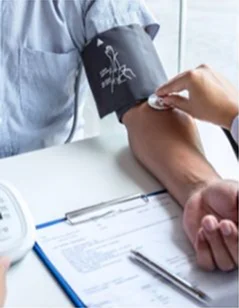
Getting your high BP under control requires regular follow-up and close communication with your doctor. Monitoring your BP readings during office visits and occasionally getting a 24-hour BP study can help determine if your treatment is working well. Be compliant with all prescribed lifestyle remedies and medications. Controlling this life-long condition demands commitment to consistent care.
Bottom Line
The good news is hypertension can be effectively managed through a multi pronged approach of healthy lifestyle changes combined with adherence to the medication regimen customized by your physician. Quitting smoking, exercising regularly, limiting salt and alcohol intake, managing stress, taking your medications as directed – all these steps will help get your BP under control and prevent severe complications like stroke, heart disease and kidney failure. Work closely with your doctor for the best chance of lowering your blood pressure in a safe and sustainable manner long-term.


.webp)