Life is full of unexpected occurrences, such as accidents that leave us with scrapes and cuts. Although many of us consider these wounds to be minor, it's essential to realize that whenever the skin is broken, the risk of infection increases significantly. Therefore, it's crucial not to underestimate cuts and scrapes as they can lead to severe skin-related infections.
Causes of Cuts and Scrapes
Scrapes and cuts occur due to the skin breaking, often resulting from hitting a hard object, getting cut by a sharp item, or falling. Despite being common, such injuries can affect anyone. Typically, children are more likely to experience minor skin damage due to rough play and clumsiness. Here's a list of common causes of scrapes and cuts:
- Hitting a hard object
- Getting cut by a sharp item
- Falling
Adults may experience cuts due to problems with balance, limited mobility, and the increased fragility of aging skin. Additionally, several medications and health issues can increase the risk of cuts and scrapes.
Complications
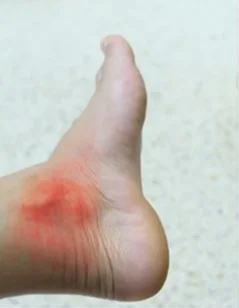
Cleaning cuts and scrapes is crucial to promote proper wound healing and minimize the risk of infections. Here are some common signs of infection to watch out for:
- Foul odor from the wound
- Increased pain
- Fever
- Swelling
- Warmth around the affected area
- Pus or discharge
If you notice any of these symptoms, seek medical attention promptly.
Cuts That Need Medical Attention
If you're dealing with cuts and any of the following criteria apply, seek medical attention immediately:
- Bleeding that lasts more than 10 minutes.
- Damage to deep tissue, such as nerves, blood vessels, or tendons.
- The wound appears dirty after cleaning.
- The cut is located on a joint or in a hard-to-heal area.
- Exposed fat tissue (yellowish) or muscle tissue (red) is visible.
- The gap reopens when you release the cut.
Don't ignore these signs and seek medical attention promptly to ensure proper wound healing and prevent potential complications.
Glue or Stitches
Steri-strips, skin superglue, and stitches are all common methods of wound closure. Here's what you need to know about each:
- Steri-Strips
Thin, sticky, and fine, steri-strips act as regular stitches and are often used for deep cuts that aren't deep enough for stitches. Doctors may recommend using steri-strips on facial cuts to minimize scarring, which is why they're also called butterfly strips.
- Skin Superglue
This substance glues the skin together, facilitating faster healing and reduced scarring. Doctors may use it instead of stitches to avoid scarring, but it's not suitable for areas that bend or have high tension.
- Stitches
Stitches are used to bring the wound edges together quickly. They're especially crucial for cuts on joints or areas that experience a lot of movement. If the wound is uneven or jagged, a doctor may recommend stitches to close it properly.
What Should You Do If You Get a Cut?
To ensure good health and quick healing of minor cuts or scrapes, it is essential to follow specific steps. Here is what you should do if the injury isn't serious:
- Stop Bleeding:
To stop bleeding, clean a soft and clean cloth against the wound. Hold it for a few minutes or more, depending on the severity of the injury.
- Avoid Peeking:
Keep constant pressure on the wound and avoid peeking, as lifting the bandage might start the bleeding again.
- Clean the Wound:
Run water over the wound for at least 5 minutes and then use a mild soap to wash it gently. This process helps to remove debris and dirt from the wound, such as gravel from a scrape. Use a damp cloth to dry the wound, and cleaning the wound can help eliminate infection-causing bacteria.
- Apply Antibiotic Ointment
Before applying an ointment or antibiotic, ensure that you are not allergic to the medication. Applying the ointment will help prevent infection and aid in healing.
Steps to Treat Scrapes
Scrapes, unlike cuts, are not deep but may cover a larger area of the skin. Follow these steps to achieve better results while treating them:
- Step 1: Clean the affected area with mild soap and water to remove any dirt.
- Step 2: Apply antiseptics, astringents, or alcohol to the surrounding area to remove unwanted bacteria.
- Step 3: Cover the scrape with a high-quality ointment and apply a bandage to create a reliable barrier against harmful elements.
IIf you notice a large area of skin is missing and the germs are breaking through, seek professional assistance immediately. Avoiding such situations can clear the way for bacteria, which can lead to severe infections and intense pain.