
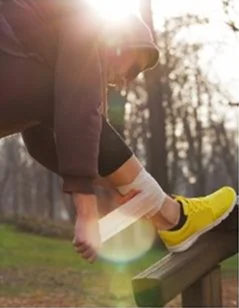
Every year, as winter sets in, many individuals head towards ski slopes, frozen ponds, and skating rinks to indulge in activities such as sledding, ice hockey, and skating. However, certain injuries that are common during winter sports can be prevented with proper precautions and safety measures.
According to research, sports injuries rank second on the list of reasons why people visit the emergency room. During winter, the injuries can be severe, as evidenced by the number of individuals seeking medical attention for winter sports-related injuries. Additionally, millions of individuals suffer from injuries caused by sledding, resulting in approximately 700,000 cases annually.
It is important to remember that cold temperatures can impair the body's ability to heal, potentially prolonging the recovery process. To minimize this risk, it is recommended to warm up the muscles before engaging in any sports activities and ensure that safety equipment is properly secured.
Essential Tips For Winter Activity and Accidental Prevention Methods
Here are some common tips to follow and stay safe while engaging in winter sports:
- Wear breathable layers that can insulate your body and be easily removed when necessary.
- Stay hydrated and take frequent water breaks.
- Warm up your muscles with some stretching or light exercises to prevent injury.
- Avoid pushing yourself to go for "one last run" when you are tired as it increases the risk of accidents.
- If you do get injured, follow the P.R.I.C.E. protocol principles to aid in your recovery.
Skiing and Snowboarding
Skiing and snowboarding are associated with several common injuries, including knee injuries that often involve damage to the anterior cruciate ligament (ACL). Attempting to break a fall with your arms can lead to shoulder dislocations and rotator cuff injuries, while falls can also result in head injuries like concussions.
To prevent these injuries, consider the following tips:
- Always wear a helmet and goggles when skiing or snowboarding.
- Test the bindings to ensure they fit you perfectly before heading out on the slopes.
- Choose ski runs and trails that match your skill level and become familiar with them.
Hockey
Ice hockey players are at risk of various injuries such as collisions resulting in pulled muscles, cuts, bruises, and ligament tears. While collisions are rare, they can result in severe injuries like broken and dislocated bones, as well as broken teeth.
To prevent these injuries, follow these tips:
Prevention Tips
- Wear protective gear correctly and practice playing.
- New players should first master the basic skills before playing ice hockey.
- Ensure that the rules are enforced to eliminate the risks associated with moves like high-sticking or checking from behind.
By following these preventive measures, you can increase your chances of safely enjoying winter sports without any hazards.
Sledding
Sledding can be dangerous, with recklessness often resulting in multiple head and limb injuries. Collisions with trees or rocks can cause concussions, and injuries can also occur at the bottom of the hill or on unsafe sledding areas like streets, ponds, or parking lots.
To prevent these injuries, consider the following tips:
Prevention Tips
- Avoid sledding face-first on your stomach and opt for a forward-facing position.
- Use designated sled hills that are free of obstacles and provide enough space at the bottom of the hill.
- Use sleds with runners and a steering mechanism for better control.
- Children under 12 years of age should not sled without adult supervision.
- Children under 12 years of age should wear helmets and other protective gear.
By following these preventive measures, you can minimize the risks associated with sledding and enjoy the winter sports safely.
The Severe Winter Sports Injuries
Winter sports injuries can be severe, including spinal injuries and broken elbows. However, by following proper prevention tips, the risks can be significantly reduced. Here are some tips to avoid such injuries:
Spinal Injuries Prevention Tips:
- Skiers and snowboarders should be extra careful during sports activities to avoid spinal injuries.
- Proper warm-up exercises and stretching can help avoid muscle strain and sprain.
- Always wear appropriate protective gear like a helmet, back and spine protectors, etc.
Broken Elbow Prevention Tips:
- Avoid overusing your elbow while doing winter sports activities.
- Always wear appropriate protective gear like elbow pads, etc.
- Do not stretch your hands while falling as it can result in severe injury.
Remember, prevention is better than cure, and taking proper precautions can make winter sports safer and more enjoyable.
The Conclusion
Winter sports injuries are a common occurrence, and their severity can sometimes be life-threatening. Therefore, it is essential to follow prevention tips to reduce the risk of injury. These tips can vary based on the type of sport. By taking the necessary precautions, you can also save on medical expenses.