
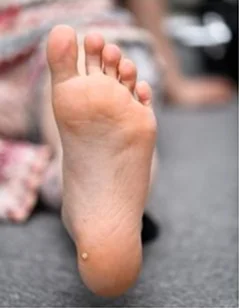
A wart is a viral infection caused by the Human Papillomavirus that can enter the body through cuts or breaks. It can be transmitted through direct contact with an infected person or objects used by them.
If you have a habit of biting your nails, a weak immune system, or sharing things with people, you need to be cautious. Your body can become a spot for warts caused by the Human Papillomavirus (HPV) which can enter the body through cuts or breaks, or through direct contact with an infected person or object. While warts are generally harmless, they can be painful and irritating.
Fortunately, there are various treatments available to eliminate warts from the body. If you are suffering from warts, here is a comprehensive guide to the different remedies you can choose from.
Also Read: X Best Foods for Eye Health, according to a Dietitian
Various Warts Removal Treatments
There are various treatments available to remove or cure warts from the body, including therapies, natural remedies, medications, and more.
1. Natural Remedies
If you are looking for natural remedies to remove warts, there are several options available. Lemon juice, essential oils, and apple cider vinegar are some effective solutions.
- Lemon Juice: The citric acid present in lemon is known for its ability to cure warts. To use this remedy, cut a lemon in half and squeeze it onto a cotton ball until it is soaked in juice. Dab the cotton ball onto the wart and let it sit for a few minutes. You can also apply slices of raw onion over the wart for 15 minutes after applying the lemon juice.
- Essential Oils: There are various essential oils that can help in removing warts. These include cinnamon bark oil, tea tree oil, neem oil, oregano oil, clove oil, and frankincense oil. Before applying these oils to warts, make sure to dilute them properly. Apply the diluted oil directly on the wart or the surrounding skin.
- Apple Cider Vinegar: Apple cider vinegar has antibacterial properties that can help kill bacteria and viruses responsible for warts. To use this remedy, mix apple cider vinegar with water and soak a cotton ball in the solution. Apply the soaked cotton ball to the wart and leave it on for a few minutes. This treatment may take 2 to 3 weeks to show results, but it is an effective way to remove warts.
In summary, using natural remedies like lemon juice, essential oils, and apple cider vinegar can help you get rid of warts without any side effects. So, try these remedies at home and say goodbye to warts!
2. Cryosurgery/ Cryotherapy/ Freezing
In this process or therapy, the wart is frozen off from the body with the help of nitrogen.
- The wart is frozen off from the body using liquid nitrogen.
- Liquid nitrogen is sprayed directly onto the wart or surrounding area.
- This process can be painful as the temperature of the liquid nitrogen is around -321°F, which can cause skin burning.
- After freezing, salicylic acid is applied to the affected area to remove dead tissue and allow the skin to peel off within a few days.
- For better results, both freezing and salicylic acid can be used simultaneously. The application process takes 10-15 seconds.
- Hair loss may occur in the area where the nitrogen liquid is applied, but it should not cause any injuries or marks.
- Before applying the liquid nitrogen, the dead skin on the affected area is removed and cleaned with a cotton swab.
- During the process, you may feel numbness, redness, or a headache if the wart is located on the temple or forehead. Swelling or redness of the skin should be checked regularly.
- After a few days, a scab forms, which should be left to fall off naturally. Do not pick it off.
- Some doctors may prescribe salicylic acid for at-home treatment to remove warts.
- Dimethyl ether is an ineffective alternative to liquid nitrogen.
Some people may also use dimethyl ether instead of nitrogen liquid, which is ineffective.
3. Electrosurgery/ Electrocautery
Electrosurgery, also known as 'Thermal Cautery,' is a method of removing a specific part of the body using electricity. This procedure involves supplying heat energy through an electric current, which is used to remove warts. Heat has a significant impact on living tissues as it dries them up and causes them to die off. A specific device called the 'Bovie' is used for this method.
Electrosurgery offers several benefits, such as rapid healing, painlessness, fewer complications, infection prevention, and removal of abnormal tissue growths.
Also Read: Yoga For Pain Relief
4. Duct Tape Method
The duct tape method for wart removal involves applying a small piece of duct tape to the affected area and removing it every 3-6 days. Once the duct tape is removed, the wart is rubbed with a pumice stone or soaked in warm water. Duct tape typically comprises three layers, including a stretchable layer, a strong layer, a mesh layer, and a chemical layer.
To achieve faster and more effective results, wart medication containing 17% salicylic acid is often used in combination with duct tape. It's essential to avoid contact with the eyes or mouth when using this medication, and the duct tape should only be applied once the medicine has dried. As part of this method, it's recommended to wash the skin once a week and remove any dead tissues through gentle rubbing.
5. Laser Surgery
TThis technique employs a laser beam to eliminate, burn, or eradicate viruses, typically carried out in a clinical setting. Following the procedure, the wound may cause discomfort for a few days. Pulsed and carbon dioxide lasers are highly favored and efficient methods for the removal of warts.
Carbon dioxide lasers aim at the virus and vaporize the impacted blood vessels, while pulsed dye lasers primarily target the hemoglobin linked with the wart. The heat seals the blood vessels and dries out the wart, causing it to eventually fall off.
6. Cantharidin Removal
During this particular treatment, the medical professional will apply a compound directly onto the wart, followed by a bandage to cover the targeted area. It is crucial that the bandage remains in place for several hours to ensure optimal results. This method is entirely painless and results in the wart being removed from the skin. To maintain cleanliness, it is essential to keep the area around the treated region free of debris. Additionally, it is recommended to apply Vaseline to the bandaged area once or twice a day to keep the skin moisturized.
7. Bleomycin
When all other wart removal treatments have failed, Bleomycin is an effective anti-cancer drug option. This method functions by halting the growth of the Human Papillomavirus (HPV) DNA, which causes the wart. Additionally, Bleomycin targets the blood vessels that feed warts. The process involves diluting Bleomycin sulfate with saline and then injecting it directly into the wart after peeling it off with a scalpel. The antiviral effect of the wart is eliminated in just one treatment with Bleomycin.
8. Immunotherapy
Immunotherapy is a process that amplifies and strengthens the immune system. During this treatment, the immune system generates antibodies that specifically target the Human Papillomavirus (HPV) and eliminate it. As there are numerous types of immunotherapy available, it can be challenging to determine the most suitable option. When undergoing this treatment, specific precautions must be taken.
When selecting the appropriate immunotherapy option, factors such as the patient's immune system, gender, age, medical history, and the type of warts present must be taken into consideration. Overall, immunotherapy is a highly effective and promising method for treating warts.
Also Read: Does Medicare Cover Acupuncture for Back Pain?
Final Thoughts
There are numerous treatments and remedies available for wart removal. While these treatments have proven to be somewhat effective in curing warts for many individuals, it's worth noting that warts often disappear on their own once the body has developed a robust immune response to the viruses. Nonetheless, individuals may choose any of the above treatments to expedite the healing process.