
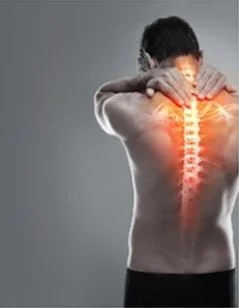
Dealing with neck or back pain can be challenging, and it may be tempting to remain inactive. However, the most effective way to overcome chronic pain is through exercise and physical therapy. Before undergoing physical therapy, it's important to determine the underlying cause of your back pain.
At times, the source of back pain can be due to a minor factor, such as poor posture or a sudden strain. Generally, this type of pain will subside on its own within a few days. However, conservative treatments such as rest, heat therapy, and over-the-counter medication can also alleviate chronic pain. Physical therapy is an effective way to achieve the relief you need.
Get Relief From Back Pain
If chronic pain persists or worsens, it may indicate underlying health problems such as kidney infections, arthritis, digestive issues, herniated discs, or cancer. If your symptoms do not improve after a few days, it is important to seek medical help.
If your doctor recommends physical therapy, it is advisable to wear comfortable clothing for your first appointment. This is because the therapist will need to assess your posture, range of motion, and muscle strength before creating a personalized therapy plan. This will involve a lot of movement, so comfortable attire is essential.
What Can You Expect From Physical Therapy?
A professional physical therapist is a highly trained expert who will evaluate your back condition and suggest specific exercises to aid in your recovery. The following are the most effective types of physical therapy:
- Manual therapy
- Low-impact aerobic activity
- Stretching
- Strength training
- Electrical stimulation
Undergoing physical therapy can be highly beneficial and is increasingly recognized as a crucial aspect of maintaining overall health. Prior to administering physical therapy, a professional doctor will consider various factors such as lifestyle, age, body type, existing health conditions, and your response to different movements of the body.
A professional physical therapist not only treats pain but also identifies its underlying cause. For example, if your lower back is stiff, a skilled therapist will focus on reducing the stiffness. If your back muscles are weak, the therapist will recommend strengthening exercises to help regain full range of motion.
It May Also Require the Surgery
Surgery should always be considered a last resort, and physical therapy is an effective way to address back pain conservatively. If you regularly engage in repetitive movements as part of athletic activity or job responsibilities, your physical therapy will take these movements into account and recommend recovery stretches to prevent future back injuries.
Eliminate Overall Risk of Falls
If you have a degenerative disease or poor posture that increases your risk of falls, a professional physical therapist will create a personalized plan to improve balance and coordination.
What is the Right Kind of Exercise You Must Perform for Spine or Back Pain?
Aerobic exercise is a crucial step in addressing spine or back pain problems. Light aerobic activities such as walking, jogging, and stationary biking have been shown to reduce pain. Additionally, core strengthening exercises are highly recommended for managing back pain.
A professional physical therapist can help you find the ideal exercise for you. Having a home exercise program is also beneficial in the long run. It is advisable to hire a professional physical therapist who can help you effectively alleviate chronic pain.
Advantages of Physical Therapy for Back Pain
There are several reasons to opt for a professional physical therapist:
- Quicker treatment for chronic or acute injury. Instead of visiting a primary care provider, a physical therapist can provide prompt solutions.
- Direct access to specialized care for specific back injuries. Physical therapists have expertise in addressing specific conditions.
It is advisable for individuals suffering from neck or back pain in any region to avoid activities that may exacerbate their pain.