
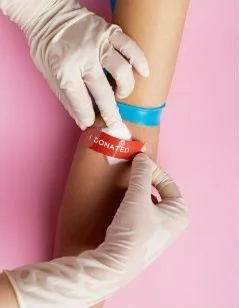
In order to survive, humans require blood, but unfortunately, blood loss can result in the loss of precious lives. According to the American Red Cross, someone in need of blood requires it every two seconds. Doctors utilize donated blood to save lives. Patients suffering from sickle cell anemia and cancer require blood transfusions on a regular basis until the completion of their treatment.
Since blood cannot be manufactured in factories, it is necessary for individuals to donate blood to ensure the survival of those in need. Blood donation is a noble act that many individuals willingly participate in, and various campaigns are organized to encourage donation. However, people are often unaware of the health benefits associated with donating blood. Let us explain these benefits in a simple manner.
Also Read: Could Spinal Injections Relieve Your Back and Neck Pain
The Benefits of Giving Blood
As previously mentioned, donating blood is not only a good deed but also has numerous health benefits. Keep reading to discover some surprising facts and advantages of donating blood.
- When you donate blood, you receive a physical checkup, which can help monitor your cardiovascular health. This includes checking your pulse, blood pressure, body temperature, and hemoglobin levels. This checkup can also identify any underlying health issues that you may be experiencing.
- Donating blood can aid in reducing the level of cholesterol in the blood, which, in turn, decreases the risk of developing heart disease.
- Donating blood can aid in preventing premature aging by promoting weight loss and maintaining stable mental health, reducing stress levels, and reducing the appearance of wrinkles. As stress is known to be a significant contributor to premature aging, reducing stress can help mitigate the aging process.
- During blood donation, donors receive a complimentary blood analysis that helps determine their blood type. The donated blood is also tested, and if any blood issues are detected, the donor is promptly notified.
- Donating blood can be an effective treatment for hemochromatosis, a condition that leads to an excess of iron in the body. By donating blood, individuals with hemochromatosis can effectively manage the condition.
- By donating blood, the risk of a heart attack due to hemochromatosis can be reduced. Hemochromatosis can result in an increased iron load in the body that can lead to a heart attack. Therefore, donating blood once a year can lower the risk of heart attack.
- Excessive iron in the body can cause damage to the liver and other organs. Donating blood is an effective method of treating iron overload and reducing the risk of liver damage.
- Donating blood is a simple and effective way to shed some extra pounds. It is possible to lose around a pound of weight after donating blood, making it an easy way to contribute to your weight loss journey.
- Regular blood donation has been scientifically proven to lower the risk of developing cancer.
- Donating blood can also contribute to a longer and happier life. When blood is donated, the body responds by replenishing its supply of red blood cells, which can help to promote overall health and well-being.
- Donating blood is not only a good deed but also a form of volunteer work that can save other people's lives. At a donation center, you'll encounter many others performing this noble act, creating a positive environment that can improve your mental health. Donating blood can enhance your well-being by reducing stress levels, promoting positive thinking, and fostering a sense of self-worth.
These are some surprising health benefits a donor receives for donating blood, and the receiver gets a healthy life filled with happiness.
Also Read: Is Vaping Better Than Smoking?
Steps to Take Before Donating the Blood
Blood transfusions are a daily occurrence, and donating blood is a simple process that requires the donor to ensure their health status before registration. Additionally, the donor must undergo a mini-physical checkup provided by the donation center. Individuals who are 16 years of age or older are eligible to donate blood. After completing the required procedures, the donor will be directed to a room where they will lie down. The medical staff will then clean the arm, insert a needle, and remove one unit of blood from the body. It is important to follow these steps when donating blood at a blood donation center.
To ensure a healthy blood donation, there are some additional steps that you may need to follow. It's important to maintain a nutritious diet for at least a week before donating blood. Additionally, on the day of your donation, it's crucial to stay well-hydrated. It's also advisable to wear comfortable clothing while presenting yourself. And always remember to inform the medical staff of any health issues you may have before granting blood.
Also Read: Role of Diet and Nutrients in Maintaining Healthy Lungs
Final Thoughts
Donating blood is a selfless act with numerous health benefits, as mentioned above. Anyone, preferably a healthy individual, can safely donate blood without any risks. By donating blood, one person's contribution can save up to three lives while also providing several health benefits. It's important to follow all the necessary steps and instructions when donating blood and to encourage others to do the same. Blood donations typically occur at clinics, blood banks, or hospitals. Additionally, there are often blood donation camps available where individuals can donate blood.